Avoid hidden costs with Romford gardeners quotes
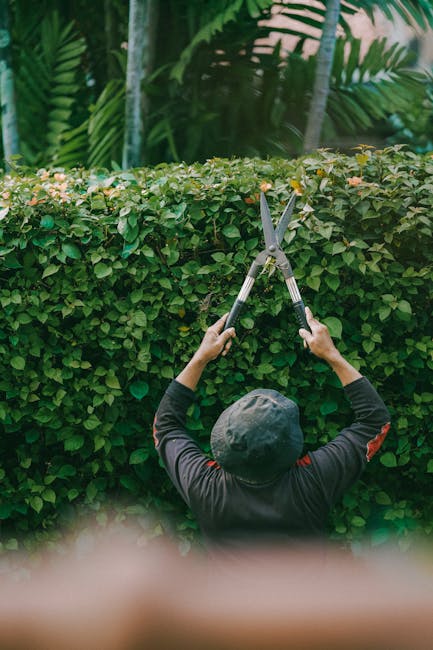
Getting a gardening quote should feel reassuring, not like you need a magnifying glass and a law degree. Yet hidden extras can creep in quickly: waste removal, materials, access issues, seasonal surcharges, even small "admin" fees that were never mentioned clearly. If you want to avoid hidden costs with Romford gardeners quotes, the answer is simple enough in principle, but worth doing properly in practice: ask the right questions, compare like for like, and insist on clarity before any work begins.
This guide walks you through exactly how to spot vague pricing, what a proper quote should include, and how to judge whether a Romford gardener is being transparent. You'll also get a checklist, a comparison table, and practical examples based on the kind of jobs most homeowners actually need. Let's face it, nobody enjoys a surprise invoice after the mower's been packed away.
Why hidden costs matter
Garden work often looks straightforward from the outside. A lawn needs mowing, a hedge needs shaping, or the patio could do with a proper clean. But once someone starts inspecting the site, the real scope can change fast. That's where hidden costs usually appear.
A quote may look competitive at first glance, then suddenly exclude things like clearance of green waste, disposal charges, plant supply, fuel, parking, or extra labour for awkward access. In a place like Romford, where gardens can vary from compact terraces to longer suburban plots, the difference between a simple visit and a more involved job can be quite dramatic.
Why does it matter so much? Because gardening work is often booked on trust. You're opening your home, your driveway, and sometimes a side passage or rear access route. A transparent quote protects your budget, but it also protects the working relationship. It sets expectations early. That alone can save a lot of awkward back-and-forth later.
If you are planning wider outdoor improvements, it can also help to compare the scope of general gardening services against more specific work such as regular garden maintenance or a one-off clearance. They sound similar. They aren't always priced the same. Tiny detail, big impact.
How hidden costs with Romford gardeners quotes works
The basic idea is simple: a gardener provides a price estimate or fixed quote based on the information available. If that information is incomplete, the quote may be incomplete too. That is not always a bad thing, to be fair. Sometimes a rough estimate is the right first step. The trouble starts when a rough estimate is treated like a final price.
A well-prepared quote should usually reflect several factors:
- the size of the garden
- the type of work required
- how long the job is likely to take
- whether materials need supplying
- how waste or cuttings will be handled
- any access limitations, parking issues, or awkward terrain
- whether the task is seasonal, urgent, or unusually labour-intensive
In plain English, a gardener is trying to balance labour, equipment, overheads, and risk. If one of those items is missing from the quote, it can be added later as an extra. Sometimes that is fair enough; sometimes it isn't. The difference comes down to whether the extra was clearly explained in advance.
For example, hedge work can seem tidy and quick, but once clippings are bagged, loaded, and removed, the job takes more time than most people expect. That's one reason pages like hedge trimming in Romford tend to need proper scoping before pricing. A hedge is rarely just a hedge.
Likewise, a patio clean may appear to be a single afternoon task, but stains, moss, and jointing issues can alter the effort involved. If you're comparing a flat price with a detailed one, ask what the gardener has actually included. Not just the headline figure. The boring bits matter here. They really do.
Key benefits and practical advantages
When quotes are transparent, you gain more than cost control. You get peace of mind, better comparisons, and fewer delays when the job starts. That can be worth just as much as the money saved.
1. Better budget planning
Clear pricing helps you decide what to do now and what to leave for later. Maybe you can afford a lawn treatment this month and hedge cutting next month. A vague quote makes that much harder.
2. Easier quote comparison
If one gardener includes waste disposal and another doesn't, you cannot compare the prices properly. Once the scope is standardised, the cheapest quote may not actually be the cheapest at all.
3. Fewer disagreements
Most disputes are not about the work itself. They're about expectations. A precise quote reduces that risk dramatically.
4. More confidence in the gardener
People often talk about price, but trust is the real issue. A gardener who explains costs clearly usually understands the job more carefully too. That's a good sign.
5. Better long-term value
A clear quote can help you choose the right service level. For example, sometimes a lawn care plan is better value than paying repeatedly for reactive fixes, especially if the lawn has patchy growth or persistent weeds.
Expert summary: the cheapest gardening quote is not always the best value. A good quote is one that explains what is included, what is excluded, and what could change the price before the work begins.
Who this is for and when it makes sense
This approach is useful for almost anyone booking garden work, but it matters most if you want to protect a fixed budget. If you're a homeowner, landlord, letting agent, or someone preparing a property for sale, hidden extras can eat into your plans very quickly.
It also makes sense if your job involves any of the following:
- large amounts of pruning or cutting back
- overgrown gardens needing a reset
- patio or decking work where cleaning effort may vary
- tree work with disposal or access complications
- regular maintenance visits where you want consistent pricing
- garden improvements that may involve materials, soil, or fencing
For more substantial projects, people often compare prices for landscaping, tree surgery, or fencing and discover that the biggest price differences are not in the labour itself, but in what each quote leaves out.
Truth be told, even modest jobs can catch people out. A quick mow turns into a bigger job if the grass is very long. A simple tidy-up may need extra time if the beds are buried under weeds. You don't need to be suspicious of every gardener. Just be specific. Specific beats surprised, every time.
Step-by-step guidance
Here's the simplest way to avoid hidden costs with Romford gardeners quotes without making the process feel like a chore.
- Describe the job properly. Don't just say "garden tidy." Mention the lawn, borders, hedges, waste, and any access issues. The more honest the brief, the less room there is for misunderstanding.
- Ask what is included. Labour, materials, waste removal, travel, fuel, and VAT where applicable should all be clear. If something is not included, ask how it is charged.
- Request a fixed quote where possible. Estimates are useful, but fixed quotes are better for budget certainty. If the job is likely to change, ask what would trigger a price revision.
- Check the assumptions. A quote might assume easy access, daytime parking, or that no hidden damage exists. Fair enough, but it should say so.
- Compare on scope, not just price. One quote may be lower because it excludes green waste or follow-up visits. Another may cost more but actually save money overall.
- Confirm the follow-up process. If extra work is discovered on site, how will approval be handled? Good gardeners will usually pause and explain before proceeding.
- Keep the paperwork. Save the quote, the date, and any written messages. If there's a later question, you'll want a paper trail. Yes, boring. Also useful.
If you're booking seasonal jobs, timing can also affect price. In colder months, some work is slower, and in peak growth periods, demand can rise. For example, hedge and pruning work may feel more urgent after a windy spell, especially if you have already looked into weather protection tips for gardens or you're planning ahead for winter resilience.
Expert tips for better results
A few small habits make a surprisingly large difference when you're reviewing quotes.
Be precise about the garden's condition
If the lawn is overgrown, say so. If there's heavy leaf fall, ivy, bramble, or stubborn weed growth, mention that too. A quote based on an "average" garden will not be accurate for a neglected one.
Ask for itemised pricing where the job is bigger
For more involved work, itemised quotes are often the best option. They help you see where the money goes and make it easier to trim the scope without cutting corners in the wrong place.
Watch for vague phrases
Words like "from," "approx," "subject to inspection," and "extras may apply" are not automatically bad. They just mean you should ask a follow-up question. What exactly changes the price? By how much? Under what circumstances?
Use photos, not just descriptions
If a gardener is happy to quote from photos, make sure the pictures show the whole area, not just the neat bit near the patio. A quick photo set can reveal access, slopes, fences, borders, and the general level of work needed.
Clarify waste handling before work starts
Green waste removal is one of the most common sources of surprise charges. Ask whether bagging, loading, transport, and disposal are included. It's one of those unglamorous details that tends to matter the most.
And if a gardener has a transparent pricing and quotes page, read it carefully. A well-written pricing page often tells you more about the business than a fancy headline ever will.
Common mistakes to avoid
People tend to make the same handful of mistakes when choosing garden services. None of them are dramatic on their own, but together they can become expensive.
- Choosing purely on the lowest number. The cheapest quote can hide exclusions that only appear once the work is underway.
- Failing to describe access properly. Narrow side paths, locked gates, long carries, or parking restrictions can all affect labour time.
- Ignoring waste disposal. Clippings, soil, branches, and removed materials need to go somewhere.
- Assuming all gardeners quote the same way. Some quote labour only, others include a broader service package.
- Not asking about minimum charges. A tiny job may still have a minimum visit fee.
- Skipping written confirmation. A quick phone call is fine to begin with, but written confirmation protects both sides.
One common example: a homeowner asks for a hedge cut and assumes the price includes the tidy-up, bagging, and removal. On the day, the gardener explains that disposal is extra. The job still gets done, of course, but the mood changes. Nobody enjoys that moment. You can avoid it with one direct question.
Another one: a patio cleaner quotes low, then adds cost for heavier staining or larger-than-expected paving. The solution isn't to distrust everyone. It's to make the scope plain from the start. That's the whole game.
Tools, resources and recommendations
You do not need special software to get a fair quote, but a few simple tools make the process easier.
- A phone camera for clear photos of the garden from different angles
- A notebook or notes app to record what each quote includes
- A rough site sketch if access is awkward or the layout is unusual
- A shortlist of priorities so you know what must be done now versus later
- Service pages that help you define the right scope, such as lawn mowing, patio cleaning, or lawn care
For bigger decision-making, it can help to understand the business behind the quote too. Reading about the company can give you a sense of experience, approach, and working style. That can matter more than people expect.
If your garden needs a broader refresh, useful reading can also include practical planning ideas like starting a garden renovation with confidence or low-effort ideas from wallet-friendly low-maintenance gardening ideas. They are not quote documents, obviously, but they help you think about scope in a smarter way.
Law, compliance, standards, or best practice
For most domestic gardening jobs, the key issue is not legal complexity; it is good business practice. Still, there are a few sensible standards worth keeping in mind.
First, a quote should be clear enough that both sides know what has been agreed. If a company uses terms and conditions, those should align with the quote rather than contradict it. Second, if payments are taken online or in advance, payment terms should be explained plainly. Third, where site work involves machinery, ladders, sharp tools, or waste handling, safety procedures matter. A well-run business will usually have a clear approach to this.
If you want extra reassurance, look for supporting documents like health and safety information, insurance and safety guidance, and terms and conditions. These won't tell you the final price, but they do tell you whether the company takes its responsibilities seriously.
Privacy and payment matter too. If you share photos, contact details, or card information during the quoting process, it is reasonable to check privacy information and payment and security details. That's just sensible, not fussy.
And if something ever goes wrong, a visible complaints procedure is a good sign. It usually means the business has thought through how to handle issues rather than hoping they never happen. Which, to be fair, is refreshingly honest.
Options, methods, or comparison table
Here's a simple comparison of the main ways gardeners tend to quote. This is where many people spot the hidden-cost problem for the first time.
| Quote type | What it usually means | Best for | Risk of hidden costs |
|---|---|---|---|
| Estimate | A provisional price based on the information available | Jobs that are still being scoped | Medium to high if assumptions are unclear |
| Fixed quote | A set price for a clearly defined piece of work | Defined tasks with known scope | Low, if exclusions are listed properly |
| Itemised quote | A breakdown of labour, materials, disposal, and extras | Larger or more complex projects | Low, because you can see each cost line |
| Hourly rate | Charged by time rather than by job | Unpredictable or small-scale tasks | Medium, because time can stretch |
In practical terms, a fixed or itemised quote is usually the safest option if you want to avoid surprises. An hourly rate can be fine for small jobs, but it becomes trickier when the garden is overgrown or the scope keeps shifting. That's where cost creep starts creeping. Subtle, but real.
Case study or real-world example
Imagine a homeowner in Romford wants three things done: a lawn cut, a hedge trim, and a back-garden tidy-up. They receive two quotes.
The first quote is one short paragraph with a single figure. It says "garden tidy and hedge work" but doesn't mention waste removal, disposal, or whether the hedge includes just shaping or full cutback. It looks cheap. Naturally, it's tempting.
The second quote is a little longer. It lists the lawn mowing separately, explains that hedge waste will be removed, and notes that any extra clearance beyond the photographed area would be agreed in advance. The total is slightly higher.
At first glance, the first quote feels like the bargain. But once the job starts, the first gardener adds a charge for waste bags and a second charge for the heavier-than-expected hedge cut. The final bill ends up close to, or even above, the clearer quote.
That happens more often than people think. The lesson is not "always choose the highest quote." The lesson is: compare the whole offer, not the headline number. If one option includes everything you need and the other does not, they are not really the same price at all.
On a more positive note, clear quotes usually lead to calmer jobs. You know what the gardener is doing, they know what you want, and the whole thing gets wrapped up without the awkward little invoice surprise at the end. Lovely, really.
Practical checklist
Use this checklist before you agree to any gardening quote.
- Have I described the work in enough detail?
- Have I shared photos or allowed a site visit if needed?
- Does the quote say what is included?
- Does it explain what is excluded?
- Have I checked for waste removal, materials, and disposal charges?
- Do I know whether the price is fixed, estimated, or hourly?
- Are there minimum charges or call-out fees?
- Have I asked what happens if extra work is found on site?
- Do the payment terms make sense to me?
- Have I kept the quote in writing?
If you can tick most of those off, you are already ahead of the game. Honestly, many hidden costs disappear the moment the original brief gets a bit sharper.
Get a free quote today and see how much you can save.
Conclusion
Hidden costs are not inevitable. They usually appear when the job is vague, the quote is incomplete, or the assumptions were never spelled out. Once you know what to ask, the whole process becomes much easier to manage.
When you compare Romford gardeners quotes carefully, you are not just looking for the lowest number. You are looking for clarity, fairness, and a proper fit for the work you actually need. That approach protects your budget and makes the whole experience calmer from start to finish.
If you take one thing away from this guide, let it be this: a good quote should make you feel informed, not uneasy. That's the standard worth sticking to.
Frequently Asked Questions
What are the most common hidden costs in gardening quotes?
The most common extras are waste removal, materials, fuel, parking or access-related labour, and additional time if the garden is more overgrown than expected.
Should a gardener give a fixed quote or an estimate?
A fixed quote is better for budget certainty, but an estimate can be useful at the start if the job still needs assessing. The key is knowing which one you've been given.
How can I compare two gardening quotes fairly?
Compare what each quote includes, not just the total price. Check labour, waste disposal, materials, and any exclusions so you're comparing the same scope of work.
Is waste removal usually included in gardening quotes?
Not always. Some gardeners include it, while others charge separately. It's one of the first things to clarify, because it often changes the final bill.
What should I ask before accepting a quote?
Ask what is included, what is excluded, whether the price is fixed, and what happens if extra work is found on the day. Simple questions, but very effective.
Do I need photos or a site visit for an accurate quote?
For small jobs, photos may be enough. For larger or more complex work, a site visit is usually better because access, layout, and condition can all affect the price.
Why are some Romford gardeners quotes much cheaper than others?
Usually because the cheaper quote excludes something important, uses a narrower scope, or assumes less time and less disposal work. Sometimes it's efficient pricing, but it's worth checking carefully.
Can a gardener change the price after starting the work?
They can, if the original quote was based on incomplete information or if unexpected extra work appears. That should be explained clearly and agreed before the extra work continues.
What paperwork should I keep?
Keep the quote, any messages confirming scope, and any notes about changes or extras. If there's ever a disagreement, written records help a great deal.
Are regular maintenance quotes easier to manage than one-off jobs?
Usually, yes. Regular visits are easier to price because the gardener can predict the workload better. One-off jobs are more likely to vary, especially if the garden has been left for a while.
How do I know if a quote is too vague?
If it only gives one total price with no detail about labour, waste, materials, or exclusions, it's probably too vague. Good quotes may be concise, but they should still be clear.
What if I want help choosing the right service?
It can help to look at the relevant service pages, such as garden maintenance, gardening services, or contacting the team directly for guidance. That way, the quote starts with the right scope, which is half the battle.