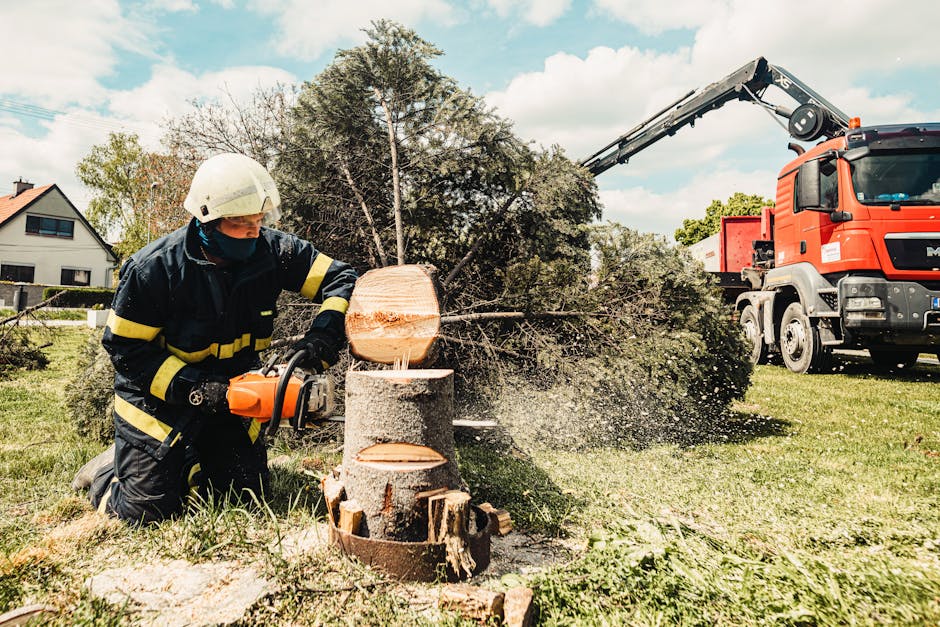
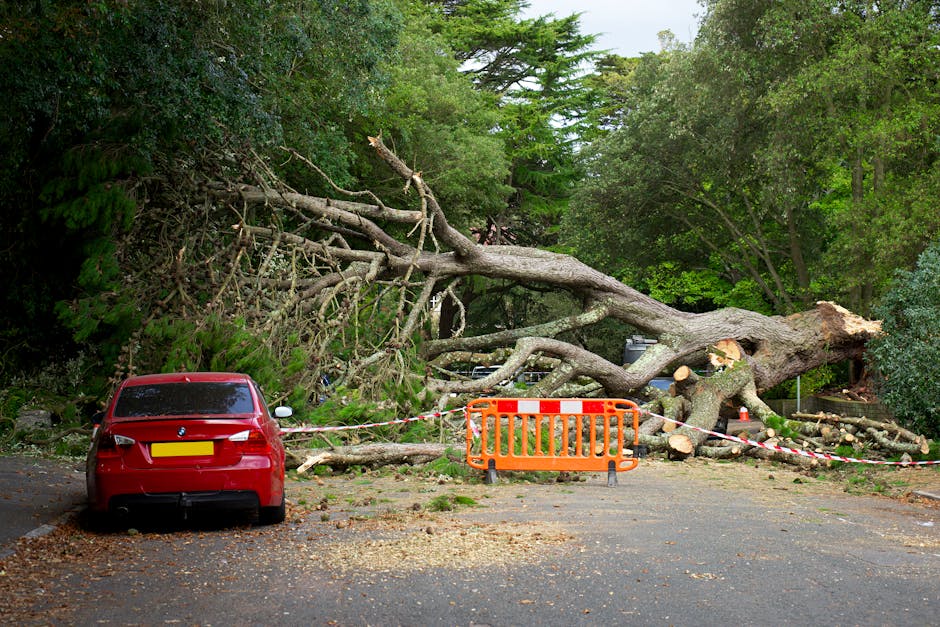
Emergency tree and garden clearance Romford same day service
If a tree has come down, branches are blocking access, or your garden has suddenly turned into a hazard zone, you do not want to wait around until next week. You need clear access, safe footing, and a practical plan - fast. That is exactly where Emergency tree and garden clearance Romford same day service comes in. It is the sort of help people call for after storms, sudden branch failures, fence damage, heavy leaf fall, or when a garden has become unsafe in a very short space of time.
This guide explains what same-day emergency clearance really involves, how it works, what to expect, and how to make a sensible decision when time is tight. You will also find a checklist, a comparison table, and a few grounded, real-world tips that can save hassle. Truth be told, in a garden emergency, calm and speed matter just as much as tools.
Contents
- Why it matters
- How the service works
- Key benefits
- Who this is for
- Step-by-step guidance
- Expert tips
- Common mistakes to avoid
- Tools and recommendations
- Law, compliance and best practice
- Options and comparison
- Case study
- Practical checklist
- Conclusion
- Frequently asked questions
Why Emergency tree and garden clearance Romford same day service Matters
Emergency clearance is not just about making a garden look tidier. It is about reducing immediate risk. A broken tree limb can crush fencing, damage sheds, block driveways, or drop onto a path where someone could slip. Dense storm debris can also hide glass, nails, unstable ground, or sharp cut ends that are easy to miss in poor light.
In Romford, where gardens often sit close to homes, side access, parked cars, and neighbouring boundaries, a fallen branch can create a chain reaction of problems. One awkward limb can block a gate. Wet foliage can make patios slick. A leaning tree can look harmless and still be under tension. You do not always get a second warning.
Same-day clearance matters because delay usually makes the situation worse. Wind loosens more debris. Rain soaks the soil and makes movement harder. Broken material can shift. And if there is any chance a tree is still partially attached or unstable, the safest move is to keep people away until it is assessed.
For homeowners, landlords, letting agents, and property managers, speed also protects routines. School runs, deliveries, neighbour access, bin collection, and tenant safety can all be affected by one messy incident. A prompt response restores order quickly. Not glamorous, but very necessary.
How Emergency tree and garden clearance Romford same day service Works
A proper same-day response usually starts with a quick phone assessment. The aim is to understand the nature of the problem before anyone arrives. Is it a fallen tree, hanging branch, windblown hedge, blocked path, or an overgrown section made hazardous by weather? Is access clear? Is there damage to wires, walls, or vehicles? Those details affect how the job is planned.
After that, the team will normally prioritise safety and access. In practical terms, that means making the area secure, removing obvious obstructions, and deciding whether the work is a straightforward clearance or a tree surgery issue that needs more careful cutting and sectional dismantling.
On arrival, you can expect a brief on-site check. A good team will look for the obvious hazard first, then scan for the less obvious bits: tensioned branches, unstable roots, hidden obstructions, nesting wildlife, or fragile structures nearby. It is a sensible pause. Fast does not have to mean reckless.
For larger or more awkward jobs, the work may be split into stages: make safe, cut down, remove waste, and tidy the site. If the clearance is mainly garden waste rather than an active tree hazard, the process may be quicker, with brash, leaf piles, broken fencing sections, and other debris taken away in one sweep.
In our experience, the best same-day services are clear about what can be done immediately and what needs a follow-up visit. That honesty is useful. A rushed promise is no promise at all.
Key Benefits and Practical Advantages
The first benefit is obvious: speed. If you cannot safely use your garden, driveway, or side entrance, same-day clearance gets life moving again.
But speed is only part of the story.
- Safety restoration: removes trip hazards, unstable branches, and loose debris before someone gets hurt.
- Property protection: reduces the risk of ongoing damage to sheds, fences, gates, patios, and garden structures.
- Access recovery: opens driveways, pathways, and rear access quickly.
- Stress reduction: gives you a clear next step when the situation feels chaotic.
- Cleaner handover: helps landlords and letting agents return a site to a usable condition without long delays.
- Better decision-making: a prompt visit often reveals whether you need clearance only, or something more involved such as tree surgery support.
There is also a quieter benefit people often forget: peace of mind. Once the dangerous material is removed, the space stops "nagging" at you every time you look out of the window. You notice the garden again, not the mess.
For people who are already planning future improvements, emergency clearance can become the first step in a wider reset. Once the urgent risk is gone, jobs like garden maintenance, hedge trimming Romford, or landscaping become much easier to plan properly.
Who This Is For and When It Makes Sense
This service is useful for quite a broad mix of people. If you are looking at a wind-damaged garden and wondering whether it is bad enough to call someone out today, the short answer is: if safety, access, or property damage is involved, it often is.
It tends to make the most sense for:
- homeowners dealing with storm damage
- landlords and managing agents with urgent tenant safety concerns
- older residents who cannot safely move heavy debris themselves
- families with children or pets using the garden
- business premises with outdoor access issues
- people who need the space cleared before visitors, builders, or contractors arrive
It also makes sense when the job is more than a quick tidy-up but less than a major redevelopment. For example, a large branch has come down across a lawn after a gusty night, but the rest of the garden is still structurally fine. Or the hedge line has collapsed partly into a neighbour's boundary and needs immediate removal before it becomes a dispute.
A small but important note: not every messy garden is an emergency. Some are simply overdue for attention. If the area is not dangerous, you may be better booking a planned visit rather than paying for urgency. That distinction saves money and avoids overreacting. Quite a few people do, to be fair.
Step-by-Step Guidance
If you are facing a sudden garden clearance problem in Romford, here is a sensible way to handle it.
- Keep people away from the area. Children, pets, and visitors should stay clear until the hazard is understood.
- Do not start cutting unstable wood yourself. A branch under tension can move unpredictably. It only takes one bad angle to turn a tidy job into an injury.
- Take a few photos from a safe distance. This can help explain the issue clearly when requesting urgent help.
- Check for secondary damage. Look at fencing, walls, gutters, sheds, paving, and parked cars nearby.
- Ask what can be handled today. Some teams can fully clear the site, while others may secure it first and return for the finer work.
- Clarify waste removal. Ask whether branches, leaf piles, trunk sections, and green waste will be taken away as part of the visit.
- Confirm access details. Side gates, locked alleys, narrow passages, and parking issues all affect response time.
- Request a sensible next step for the remaining garden. Once the emergency is sorted, you may want a follow-on plan for weeds, hedging, or general tidying. A lot of clients go on to ask about gardening services once the panic has passed.
If the issue happened overnight or in poor weather, a short video call or call-back description can be enough to start. It is not fancy, but it works. And on a wet Monday morning, that matters.
Expert Tips for Better Results
Same-day clearance goes smoother when the customer and the crew are working from the same page. A few small choices make a big difference.
- Describe the worst hazard first. Do not begin with the general mess. Start with the thing most likely to hurt someone or block access.
- Be clear about what must stay. Sometimes plants, stepping stones, boundary shrubs, or garden furniture need to be preserved.
- Ask for cleanup expectations upfront. A good clearance should leave the site safe and useable, not just less chaotic.
- Think ahead about the next weather front. If the garden has already suffered once, more wind may cause repeat problems. The guide on essential garden protection tips is useful for longer-term prevention.
- Use the visit to reset weak areas. Once the debris is gone, it is easier to spot where drainage, pruning, or boundary work might help.
One little thing that is easy to overlook: don't pile cleared material against a fence or wall while waiting. It looks harmless, then starts to sit damp and heavy, and suddenly you have another problem. Gardens can be annoyingly good at doing that.
If your emergency was caused by overgrown hedging or a boundary squeeze, a follow-up conversation about hedge trimming Romford can help prevent a repeat. Tidy edges are not just cosmetic; they improve visibility and reduce strain after strong wind.
Common Mistakes to Avoid
When people are stressed, they often make understandable mistakes. The trick is to avoid the ones that create extra danger or delay.
- Trying to drag heavy branches alone. Fresh timber is heavier than it looks, especially after rain.
- Using the wrong ladder on unstable ground. If the base is soft or uneven, stop there.
- Assuming a leaning tree is stable because it has "always looked like that." After storm impact, previous stability means very little.
- Burning or burying waste without checking suitability. That can create safety and nuisance problems.
- Ignoring minor damage to fencing or decking. A cracked post or lifted board can become a bigger failure later.
- Booking a general tidy when the issue is actually structural. A branch stuck under tension needs the right approach, not just faster hands.
Another mistake? Waiting until the next day because the light is fading. Sometimes that is sensible. Sometimes it is just delay dressed up as patience. If there is a genuine hazard, call it what it is.
Tools, Resources and Recommendations
A proper emergency clearance team will usually arrive with the equipment suited to the job rather than one-size-fits-all gear. The exact kit varies by situation, but common tools include cutting equipment, clearing tools, protective clothing, debris handling gear, and materials for temporary securing where needed.
From a homeowner's point of view, the most useful "resource" is not a gadget. It is preparation. Keep these things in mind:
- your gate width and access points
- the location of any locked areas or shared boundaries
- where vehicles can be parked without blocking neighbours
- which garden features should be protected
- who needs notice if the work affects adjoining land
If the wider garden has become a bit unruly after a storm, you may also find it helpful to plan a later reset around lawn mowing, lawn care, or even patio cleaning once the urgent debris is gone. That is often how a garden gets back to feeling like a proper space again, not just a cleared site.
If you are unsure what level of help you need, it is sensible to review service information on the company background and pricing and quotes before committing to a rushed decision. Being calm about the numbers is not a luxury; it keeps the job grounded.
Law, Compliance, Standards, or Best Practice
Emergency garden clearance is practical work, but it still needs to be handled responsibly. In the UK, best practice usually means taking reasonable precautions for health and safety, respecting neighbouring property, and avoiding unnecessary damage to trees, plants, walls, and surfaces.
For larger tree-related work, especially where the stem, crown, or root system may be compromised, it is wise to use a service that understands safe working methods and insurance expectations. That is one reason people often pair emergency clearance with insurance and safety information before work starts.
Good practice also means being careful with disposal. Green waste, timber, and mixed debris should be handled properly rather than dumped in a corner and forgotten. If a tree is protected, or if the site is near shared boundaries, extra care is sensible. I am being cautious here on purpose: not every property situation is the same, and a good team should not talk as if it is.
Documentation matters too. A brief record of what was removed, what was left in place, and what hazards remain can be valuable for landlords, agents, and homeowners. It does not need to be formal or dramatic. Just clear.
For customers who want to understand how a provider handles complaints, payments, or service terms, it is reasonable to review complaints procedure, payment and security, and terms and conditions before booking. That kind of due diligence is boring in the best way.
Options, Methods, or Comparison Table
Not every urgent garden problem needs the same approach. Here is a simple comparison to help you judge what sort of response makes sense.
| Situation | Best approach | Why it fits |
|---|---|---|
| Fallen branch blocking access | Same-day clearance | Fast removal restores safe entry and prevents accidents |
| Partially hanging limb after wind damage | Emergency tree assessment and controlled removal | Prevents unpredictable movement and further breakage |
| Garden full of storm debris but no active hazard | Urgent tidy-up, not necessarily emergency work | Still needs attention, but urgency may be lower |
| Collapsed hedge or boundary mess | Clearance plus possible trimming or follow-up maintenance | Keeps access open and reduces repeat damage |
| Damage to fencing, paving, or patio edges | Clear first, then inspect for repairs | Safety comes first; cosmetic fixes come second |
If the job looks bigger than a single visit can safely handle, that is not a failure. It is a sign the work is being done properly. Better a staged response than a rushed one with a wobbling ladder and crossed fingers.
Case Study or Real-World Example
Imagine a Friday evening storm in Romford. By Saturday morning, a heavy limb has dropped across a rear path and part of a hedge has been flattened into the side access. The garden is still usable in theory, but only if everyone steps over sharp debris and squeezes past a low, unstable section. Not ideal.
The first move is not to start hacking away. The safer approach is to keep the area clear, take a few photos, and arrange a same-day visit. On arrival, the first priority is to make the route safe and remove the obvious blockage. Then the team checks the remaining branch structure and clears the loose waste without disturbing the fence line.
What the homeowner notices next is interesting: the garden suddenly feels bigger. The path opens up. The smell of damp cut wood hangs in the air for a bit, then fades. The neighbour can get through. The bins can move. And, most importantly, nobody has to "just watch their step" anymore.
That is the real value of emergency clearance. It is not only about removing what fell. It is about restoring ordinary life. School bags, deliveries, dogs, shoes on wet steps - the normal stuff. Sometimes that's the whole battle.
Practical Checklist
Use this quick checklist before and during an emergency tree or garden clearance callout:
- Move people and pets away from the hazard
- Keep out of any area with hanging, cracked, or leaning branches
- Take safe-distance photos if possible
- Note whether access is blocked from the front, side, or rear
- Check for damage to fencing, patios, sheds, or vehicles
- Tell the team about any fragile plants, ornaments, or surfaces to protect
- Ask whether debris removal is included
- Confirm whether the issue is emergency clearance or tree surgery
- Save any follow-up documents or notes for insurance or property records
- Plan the next tidy-up step once the danger is removed
Once the immediate mess is under control, the garden usually needs a second look. That is where you can decide whether you want to keep things simple or use the moment to improve the space more broadly. A lot of people do. It starts with one broken branch and ends with a much better garden than before.
Get a free quote today and see how much you can save.
Conclusion
When a tree falls, a hedge collapses, or sudden debris makes a garden unsafe, you need more than a neat finish. You need a fast, careful, practical response that gets the area safe again without adding extra problems. That is the real promise of Emergency tree and garden clearance Romford same day service.
The best outcome is simple: hazards removed, access restored, and a clear path to the next stage, whether that is repairs, maintenance, or a full garden refresh. It is a very human kind of service, really. Quick help when you are under pressure, but done properly.
If your garden is telling you something urgent, listen to it. Sort the danger first, then breathe. The rest can follow.
Frequently Asked Questions
What counts as an emergency tree and garden clearance job?
Anything that creates immediate risk, blocks access, or threatens property can count as an emergency. Common examples include fallen branches, storm debris, collapsed hedging, and unsafe leaning growth.
Can same-day clearance be done after storm damage?
Yes, often it can. Same-day response is especially useful after storms because delays can make unstable material worse. The exact work depends on access, weather, and how dangerous the situation is.
Is emergency clearance the same as tree surgery?
Not always. Clearance focuses on making the site safe and removing debris, while tree surgery is more specific and may involve controlled pruning, sectional removal, or structural work on the tree itself.
Do I need to stay at the property during the work?
Usually it helps if someone is available at the start to explain the issue and give access. After that, depending on the job, you may not need to stay the whole time. It is best to confirm arrangements first.
What if the fallen tree is touching a fence or shed?
Keep away from it. A tree or branch under pressure can shift unexpectedly. A professional clearance team can assess the safest way to remove it without causing extra damage.
How quickly can a same-day service arrive in Romford?
Arrival times vary according to workload, travel, and the seriousness of the call. If the situation is urgent, explain that clearly at the start so priority can be assessed properly.
Will the team remove all the waste?
That depends on the service agreement, so it is worth asking. Many customers want full waste removal so the site is left safe and tidy, not just partially cleared.
What should I do before the team arrives?
Keep everyone clear of the area, avoid touching unstable branches, and note any extra damage. If it is safe, take a few photos and make access as easy as possible.
Can emergency clearance help prevent future problems?
Yes. Once the immediate hazard is removed, you can look at what caused it in the first place. That may lead to pruning, hedge work, or a maintenance plan that reduces the chance of repeat issues.
Is it worth getting a quote before booking?
Absolutely. A quick quote helps you understand the likely scope and cost before you commit. For a stressful job, clarity is a relief.
What if the problem is not really an emergency?
Then you may be better off booking planned garden work instead of urgent clearance. A good provider should be able to tell you honestly whether same-day action is needed or whether a normal visit will do.
How do I choose a reliable local provider?
Look for clear information on safety, insurance, service terms, and customer process. It also helps to check whether they explain what is included and what happens if the job changes on site.
For a fast next step, use the contact page to explain the hazard, the access situation, and whether the issue is a tree, hedge, or general debris problem. A short, clear message is often enough to get things moving quickly.