Garden maintenance pricing guide Romford real cost examples
If you are trying to budget for garden upkeep and you want a straight answer, this Garden maintenance pricing guide Romford real cost examples will help you get your bearings. In Romford, garden maintenance can mean anything from a quick weekly mow to a proper seasonal tidy-up, so prices vary more than most people expect. That is normal. The trick is knowing what you are paying for, what should be included, and when a quote is actually good value rather than just low on paper.
This guide breaks down the real-world cost factors, what different jobs usually involve, and how to compare quotes without getting lost in jargon. You will also find practical examples, a simple checklist, and a few common mistakes to avoid. By the end, you should feel far more confident asking for a quote and judging whether it fits your garden, not just your budget.
Why Garden maintenance pricing guide Romford real cost examples Matters
Garden maintenance pricing is one of those topics that looks simple until you actually need it. A small front garden, a larger back garden, hedges, borders, leaf clearance, lawn treatment, regular visits, one-off tidy-ups, awkward access, waste removal... the list goes on. And in Romford, where gardens range from compact terrace spaces to bigger family plots, the same job can take very different amounts of time.
That matters because many homeowners only compare the headline number. But the real question is: what does that number cover? If one quote includes hedge cutting, edging, green waste removal, and a proper finish, while another only covers the mowing, they are not really the same service. You will notice the difference the first time the job is done. The lawn may look fine, but the beds are messy, the edges are ragged, and the garden still feels half-finished.
Good pricing guidance helps you make better decisions about ongoing care, seasonal work, and one-off jobs such as overgrown garden clearance. It also helps you avoid paying twice: once for a cheap visit and again to have the missed work corrected.
Expert summary: the best garden maintenance quote is not always the cheapest. It is the one that clearly matches the size, condition, frequency, and finish level your garden actually needs.
If you are comparing options, it helps to start with the service itself. A page like garden maintenance is a useful place to understand what is normally included in routine upkeep, while pricing and quotes can help you think through how estimates are usually built.
How Garden maintenance pricing guide Romford real cost examples Works
Garden maintenance prices in Romford usually depend on a handful of practical factors rather than a fixed menu. Most providers will look at the size of the garden, the current condition, the frequency of visits, the type of tasks required, and whether disposal is included. Simple enough in principle. In practice, small details can shift the final price quite a bit.
Typical factors that shape the price
- Garden size: more lawn, more borders, more time.
- Condition: an overgrown garden takes far longer than a regularly maintained one.
- Task mix: mowing alone is different from mowing, weeding, hedge trimming, and sweeping.
- Access: side access, narrow paths, stairs, locked gates, or difficult parking can add time.
- Waste handling: bagging and removing green waste often changes the quote.
- Visit frequency: regular maintenance is usually easier to price than a one-off rescue job.
A weekly or fortnightly service is often priced differently from a seasonal tidy. That is because regular work tends to be quicker once a garden is under control. A one-off job may feel more expensive, but truth be told, it often just reflects the extra labour required to get things back to a usable state.
For example, a small, tidy front garden that just needs mowing and edging may be a relatively short visit. A medium back garden with a hedge line, weeds in the patio joints, and waste to remove is a different job entirely. Same postcode, very different workload.
What a quote usually covers
A clear quote should spell out the tasks rather than hiding them in a vague all-in price. In a good quote, you should be able to see whether the gardener is charging for:
- mowing and strimming
- edging and finishing
- weeding or light bed work
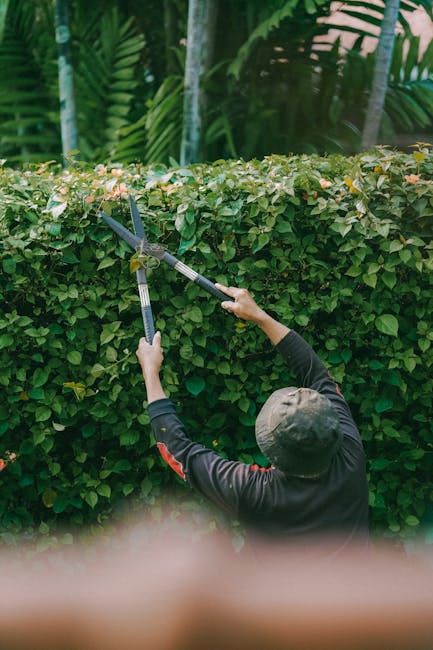
- hedge trimming
- leaf clearance
- green waste removal
- patio or path sweeping
- repeat visits or one-off attendance
If you need more than simple upkeep, services such as lawn mowing, lawn care, and hedge trimming are often priced as separate components or bundled into a broader maintenance visit. That can be a good thing, because it keeps the work transparent.
Key Benefits and Practical Advantages
Understanding garden maintenance pricing gives you more than budgeting confidence. It helps you plan the work properly and avoid awkward surprises. And let's face it, nobody enjoys discovering that a "simple tidy" has turned into a larger bill because nobody discussed waste removal or hedge access in advance.
- Better budgeting: you can plan monthly, seasonal, or annual spend with fewer surprises.
- Clearer comparisons: you can compare like with like rather than chasing the lowest number.
- Healthier gardens: regular maintenance keeps lawns, borders, and shrubs in better shape.
- Less stress: you know what to expect before anyone starts work.
- More useful quotes: a detailed request gets a more accurate response.
- Better value over time: prevention is usually cheaper than rescue work.
There is also a practical comfort in having a routine. A garden that is looked after regularly tends to need less dramatic intervention. The grass is easier to manage, the hedges stay tidy, and small problems do not turn into weekend-eating monsters. That sounds dramatic, but anyone who has battled spring growth after a wet month will know exactly what I mean.
If your outdoor space includes hard landscaping too, it may help to look at related services such as patio cleaning or broader gardening services where the maintenance plan covers more than just the lawn.
Who This Is For and When It Makes Sense
This guide is useful for homeowners, landlords, tenants with garden responsibilities, property managers, and anyone who has inherited a garden that is a bit more demanding than expected. Very British problem, that. One day it is a neat patch of grass, the next it is a mini jungle with a personality.
It makes sense to use a maintenance service if:
- you do not have the time to keep on top of the garden weekly
- you want a tidy outdoor space without buying tools and spending your weekends on it
- you are preparing a home for sale or rental photography
- you have physical limitations that make outdoor work difficult
- the garden has become overgrown and you need a reset
- you simply want more reliable results than occasional DIY effort can deliver
For some readers, the right answer is regular care; for others, it is an occasional tidy-up before peak seasons. If the garden has become unruly, a one-off garden clearance may be the better first step, followed by a lighter ongoing schedule. That approach often makes more financial sense than paying for repeated "catch-up" visits.
Step-by-Step Guidance
If you want an accurate price, the process starts before anyone visits. A few minutes of preparation can save a lot of back-and-forth later. Here is the cleanest way to approach it.
- List the jobs you need. Be specific. Mowing, edging, weeding, hedge cutting, leaf clearance, waste removal, and patio sweeping all count.
- Estimate the frequency. Decide whether you need a one-off visit, fortnightly care, monthly help, or seasonal work.
- Note any access issues. Mention narrow side access, rear-only entry, parking restrictions, or steps.
- Share a few photos. Good photos help a provider judge condition and scale quickly.
- Ask what is included. Check whether labour, materials, waste disposal, and finishing touches are part of the price.
- Request a written quote. Even a simple message confirmation is better than a vague verbal estimate.
- Compare outcomes, not just figures. Look at what each quote actually delivers.
When you discuss a quote, ask how the work would be handled in real life. For example, would the team cut the hedge and remove clippings, or just cut and leave the waste on site? Would they edge the lawn properly, or is that extra? These details sound small, but they matter.
One practical tip: if your garden is partly paved and partly planted, ask for the price in sections. That makes it easier to understand where the effort is going. It is much easier to judge value when the quote reads like a plan rather than a guess.
Expert Tips for Better Results
A few habits make a noticeable difference to both cost and quality. The first is to keep your expectations clear. The second is to avoid asking for everything, everywhere, all at once unless the garden truly needs a full reset. To be fair, many gardens do. But not all.
- Book regular maintenance if possible. A small, regular job is usually easier to keep under control than a bigger rescue later.
- Bundle tasks where sensible. If the gardener is already there, adding a small hedge trim may be more efficient than booking a separate visit.
- Be honest about the condition. If the beds are full of weeds or the lawn is very long, say so up front.
- Ask for seasonal planning. Spring growth, summer trimming, and autumn leaf fall all change the workload.
- Choose the right level of service. Some gardens need maintenance; others need restoration first.
In our experience, the best results come from customers who describe the end goal, not just the tasks. Saying "I want it tidy enough to enjoy on a Saturday morning" tells a gardener a lot more than "just sort the garden out." A slightly informal brief can be surprisingly useful.
If you have boundary issues, broken panels, or plants leaning into a fence line, it may also be worth looking at fencing where repairs or replacement could be part of the wider garden plan.
Common Mistakes to Avoid
Here is where people often go wrong. Not because they are careless, but because garden work seems simple until the details stack up.
- Choosing the cheapest quote without checking what is included. Cheap can be fine, but only if the scope is clear.
- Assuming waste removal is automatic. Sometimes it is. Sometimes it is very much not.
- Underestimating overgrowth. A "small tidy" can become a much bigger job after a month of rain and growth.
- Not mentioning access problems. If tools and waste have to be carried through the house, that changes the job.
- Booking one-off work when you really need a routine plan. This often costs more in the long run.
- Forgetting seasonal shifts. Spring and early summer can be busier than people expect.
Another common slip is requesting identical pricing for different gardens. A 40-minute front garden and a large back garden with mature hedges are not the same thing, even if both are in Romford. The quote should reflect the reality on the ground, not just a rough guess from a postcode.
If the work involves heavier cutbacks or woody growth, the conversation may move beyond basic upkeep and into tree surgery or tree lopping and removal. That is a different kind of job, with different equipment, risk, and pricing. Worth separating out early.
Tools, Resources and Recommendations
You do not need specialist knowledge to request a good quote, but a bit of preparation helps. The best "tool" is often a clear note on your phone and a few decent photos in daylight. Morning light is ideal, actually; the garden tends to show its real condition without too much shadow trickery.
Useful things to prepare before asking for prices
- a rough sketch or note of the garden size
- photos of the lawn, borders, hedges, and hard surfaces
- a short list of jobs in priority order
- your preferred frequency of visits
- any concerns about pets, gates, or access
- your expectation for waste removal
For readers who want to understand service options more broadly, the most useful related pages are often the ones that explain work types clearly. That can include lawn care for ongoing turf health, lawn mowing for routine cutting, and landscape gardening if your garden needs a more structural rethink.
It is also smart to know how a provider handles quotes, payments, and security before you commit. Their payment and security information, along with insurance and safety, can tell you a lot about how professionally they work. Not glamorous, perhaps, but very useful.
Law, Compliance, Standards, or Best Practice
Garden maintenance is usually a straightforward domestic service, but best practice still matters. Any reputable provider should work safely, communicate clearly, and avoid leaving you exposed to avoidable risk. That means sensible use of tools, tidy work areas, and proper handling of waste.
In the UK, it is normal to expect gardeners and landscape teams to work with appropriate insurance, safe procedures, and clear terms of service. If there are trees, larger cutbacks, steep ground, or potentially hazardous access, the level of care should rise accordingly. The job should never feel casual when there is a real risk involved.
Good practice also includes proper communication about what is excluded from the quote, what happens if conditions change on arrival, and how any waste or recyclable material is managed. If sustainability matters to you, a provider's recycling and sustainability approach can be a helpful sign that they think beyond the immediate job.
For customers, the best practice is simple: ask questions, keep the quote in writing, and make sure everyone understands the scope before work starts. That alone prevents a lot of frustration.
Options, Methods, or Comparison Table
Different pricing models suit different gardens. There is no single right answer, but there is usually a better fit depending on your situation.
| Pricing approach | Best for | Typical advantages | Watch-outs |
|---|---|---|---|
| Hourly rate | Unpredictable or mixed tasks | Flexible, transparent time use | Harder to predict total cost |
| Fixed quote | Clearly defined jobs | Easy to budget, simple to compare | Scope must be very clear |
| Regular maintenance plan | Ongoing upkeep | Often better value over time | Needs consistency from both sides |
| One-off tidy-up | Overgrown or neglected gardens | Fast reset, immediate impact | Can cost more if repeated often |
For a small, tidy lawn and a few border edges, a fixed quote can be easy to understand. For a garden that changes week by week, an hourly or visit-based estimate may be more sensible. If there is a lot of debris or tangled growth, a one-off restoration visit may be the right first step before moving to routine care.
Small gardens can still be surprisingly fiddly, by the way. Tight corners and awkward edging can take longer than a bigger but simpler space. Garden pricing is not always about square footage alone.
Case Study or Real-World Example
Here is a realistic Romford-style example. A homeowner has a medium-sized rear garden with a lawn, two shrub borders, some weeds along the patio edges, and a hedge that has not been cut for a while. The garden is usable, but it has drifted from "weekly tidy" into "needs a proper sort-out."
In that kind of situation, the work might be broken into parts: mowing, strimming, hedge cutting, weeding, and green waste removal. If the space has been left for a while, the first visit will usually take longer than future ones. That is normal and worth explaining at the quoting stage.
The owner might be offered a one-off clean-up first, then a lighter maintenance schedule every two or four weeks. That approach often makes the most financial sense because the first visit resets the space, and the follow-up visits are shorter and more predictable. It also means the garden does not slide back into the same state again. Small victory, but a useful one.
If the hedge sits on a boundary and has become too large, trimming may be enough. If there is dead wood, storm damage, or a tree affecting light and access, the issue may need a specialist look. That is where service separation matters: maintenance for the routine stuff, and specialist help for the larger structural problems.
Practical Checklist
Before you request or accept a price, run through this simple checklist. It keeps the conversation focused and saves a lot of awkwardness later.
- Do I know exactly which jobs I want done?
- Have I described the garden size and condition clearly?
- Did I mention access issues, parking, or side gates?
- Have I asked whether waste removal is included?
- Do I want a one-off visit or ongoing maintenance?
- Have I asked what the quote excludes?
- Is there a written price or confirmation?
- Does the provider explain safety and insurance clearly?
- Am I comparing the same scope across all quotes?
- Would a regular service be better value than repeat one-offs?
If you can tick most of those off, you are in a much stronger position. And if not, no problem. Better to ask now than to guess later.
Get a free quote today and see how much you can save.
Conclusion
Garden maintenance pricing in Romford becomes much easier to understand once you focus on the real factors: size, condition, frequency, access, and scope. A good quote should feel specific, practical, and honest about what is included. If it does, you are much more likely to get value that lasts beyond the first visit.
The main takeaway is simple. Do not compare prices in isolation. Compare what the work actually delivers. A well-maintained garden is calmer, tidier, and easier to enjoy, whether you are looking out at it through the kitchen window or sitting outside with a cup of tea while the light fades. That feeling is worth getting right.
If you want a clearer picture of what your own garden might cost to maintain, start by reviewing the service details, gather a few photos, and ask for a written quote that matches the job properly. It is a small step, but it makes the whole process much smoother.
Frequently Asked Questions
How much does garden maintenance usually cost in Romford?
Costs vary depending on garden size, condition, frequency, and the tasks included. A simple mow is usually priced differently from a full tidy-up with hedge cutting and waste removal. The best way to judge value is to compare the exact scope of work, not just the headline figure.
Is a one-off garden tidy more expensive than regular maintenance?
Usually, yes. One-off jobs often take longer because the garden has more to catch up on. Regular maintenance tends to be quicker and easier to budget for, which is why it often works out better over time.
What should be included in a garden maintenance quote?
A clear quote should say what tasks are included, whether waste removal is covered, and whether the price is for a one-off visit or ongoing service. If edging, weeding, hedge cutting, or patio sweeping matter to you, make sure they are listed.
Do gardeners charge by the hour or by the job?
Both models are common. Hourly pricing can suit mixed or uncertain jobs, while fixed quotes are often better for clearly defined tasks. Neither is automatically better; it depends on the garden and how well the work can be scoped.
Why do two quotes for the same garden look so different?
Usually because the quotes are not really for the same service. One may include waste removal, more detailed finishing, or a broader set of tasks. Sometimes the difference is just experience or scheduling, but scope is the main reason.
Does hedge trimming cost extra?
It often does, unless the provider has bundled it into a maintenance visit. Hedges can add a fair amount of time, especially if they are tall, thick, or awkward to reach. Always ask how it is priced.
What if my garden is overgrown and needs more than maintenance?
In that case, a one-off clearance or reset may be more appropriate than routine maintenance to begin with. Once the space is under control, it is usually easier and cheaper to keep it that way.
Should waste removal be part of the price?
It can be, but not always. Some gardeners include green waste removal as standard, while others price it separately. Because waste can add time and disposal costs, it is worth asking directly before agreeing.
How often should I book garden maintenance?
That depends on the size of your garden, how fast it grows, and how tidy you want it to stay. Fortnightly or monthly visits are common for many homes, but seasonal work can also make sense if the garden is low-maintenance.
What is the best way to get an accurate quote?
Send clear photos, explain the tasks you need, mention access issues, and say whether you want a one-off or regular visit. The more practical detail you give, the better the quote is likely to be.
Can garden maintenance include patios, paths, or hard landscaping?
Sometimes, yes. Many gardeners can include light sweeping or cleaning, but more specialised work may sit under separate services. If the space needs more than a tidy, it is worth asking about related options before booking.
How do I know if a quote is good value?
Ask yourself whether it covers the tasks you actually want, whether it includes waste removal, and whether the result will leave the garden genuinely usable. Good value is about outcome and clarity, not just the lowest number on the page.